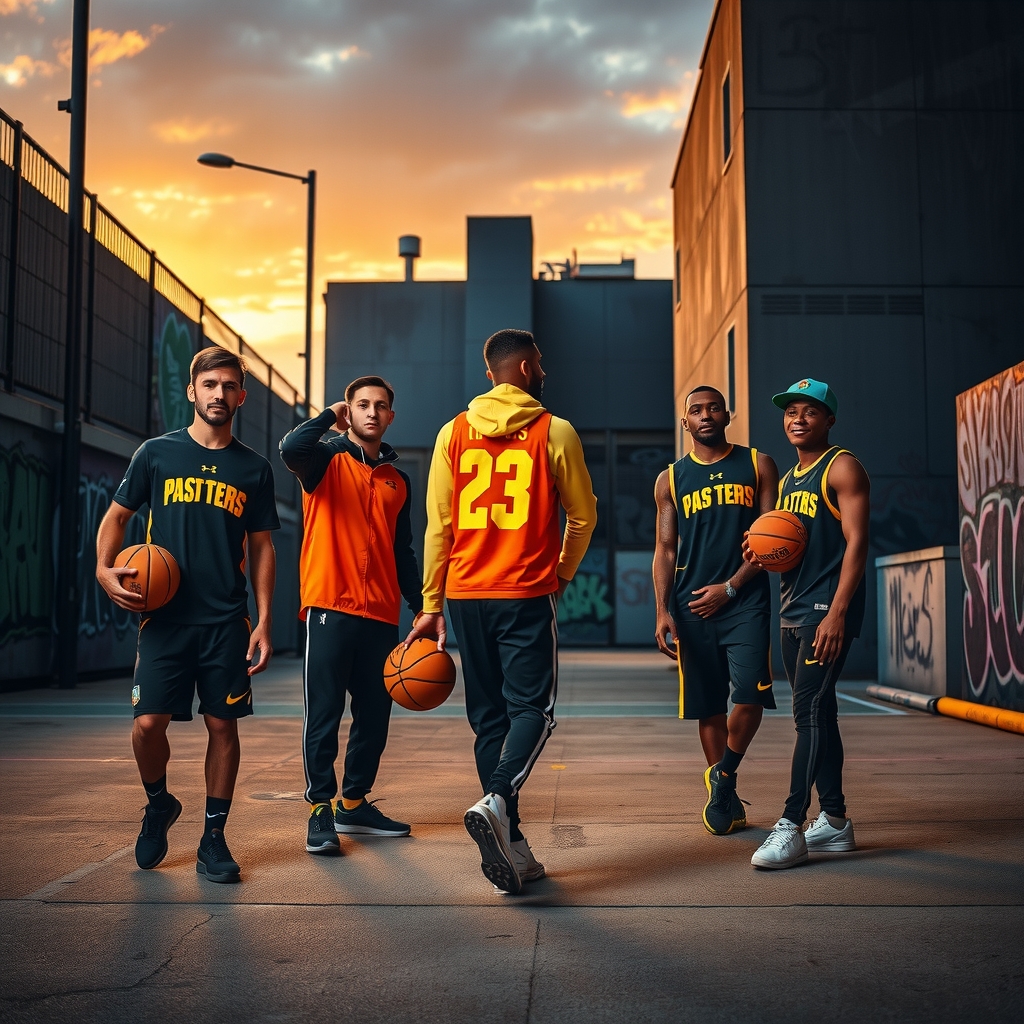
The Streets.
The Style.
The Sound.
Three sports. One culture. The blacktop is where fashion, music, and raw athletic expression collide. This is everything that makes it real.
More Than a Game
Street sports aren't about stadiums or spectators. They're about showing up to a cracked court at dusk with nothing but skill and hunger. No refs. No schedules. Just the game and the people who love it — and a culture built from the ground up.
Show Up & Show Out
The blacktop rewards boldness. Every move is a statement. Every session is a story. Reputation is built one run at a time.
The Community First
From pickup runs to panna circles, street sports build tight-knit communities rooted in mutual respect — and ruthless competition.
Grind Without End
No coaches, no training schedules. Just hours alone or with your crew, obsessing over a move until it's yours. That's the street way.
City is the Stage
Parking lots, alleyways, park courts, cul-de-sacs — anywhere there's pavement becomes a venue. The city is the arena.
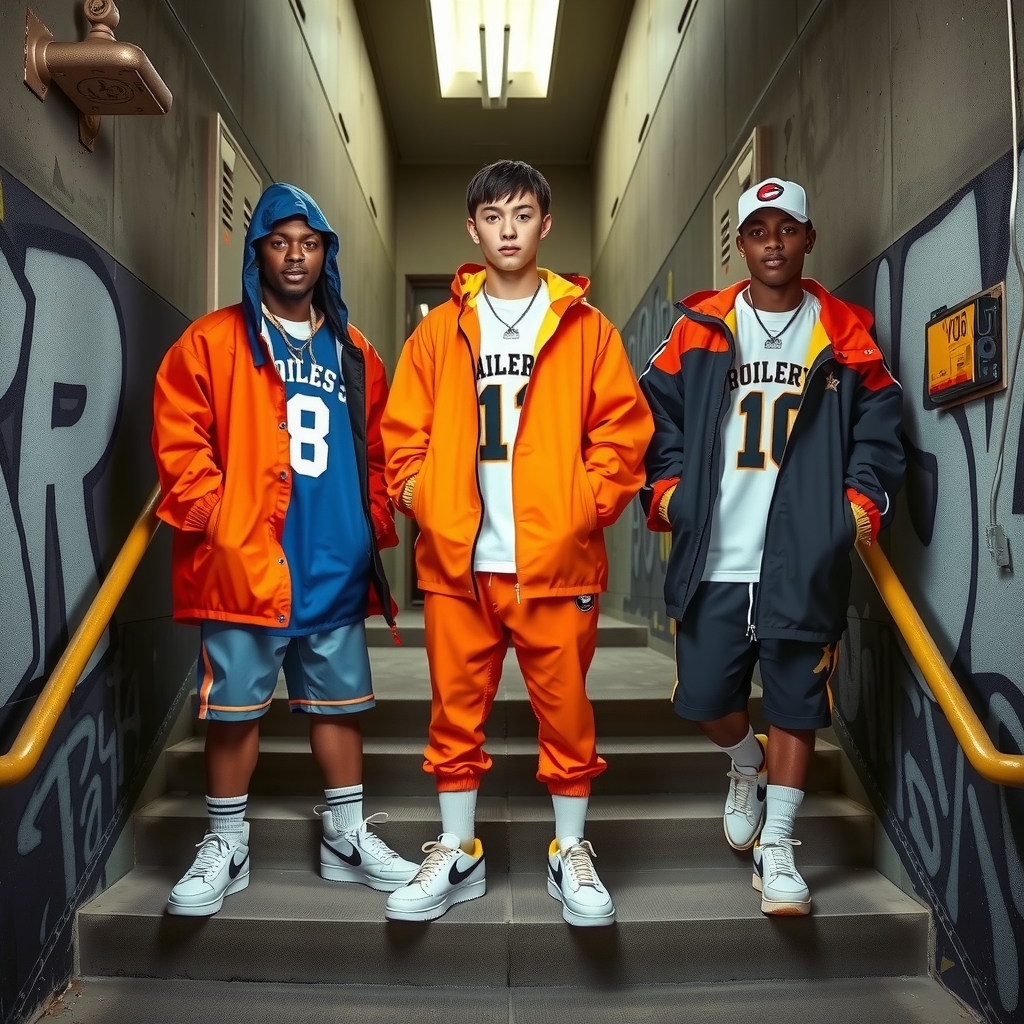
Dress Like You
Mean It
Street sport fashion isn't borrowed from runway designers. It's built on the court — functional, expressive, and always personal. The gear you wear says as much as the moves you throw.
Oversized training tees and slim-fit cargos on the panna court. Compression fits and retro kicks on the blacktop. Inline-ready shorts and hockey jerseys cut loose from their original context. The look is always local, always evolving.
Color-blocking, bold logos, retro cuts, and shoes that double as statement pieces — street sports style is about identity. You play like you dress: with no apologies.
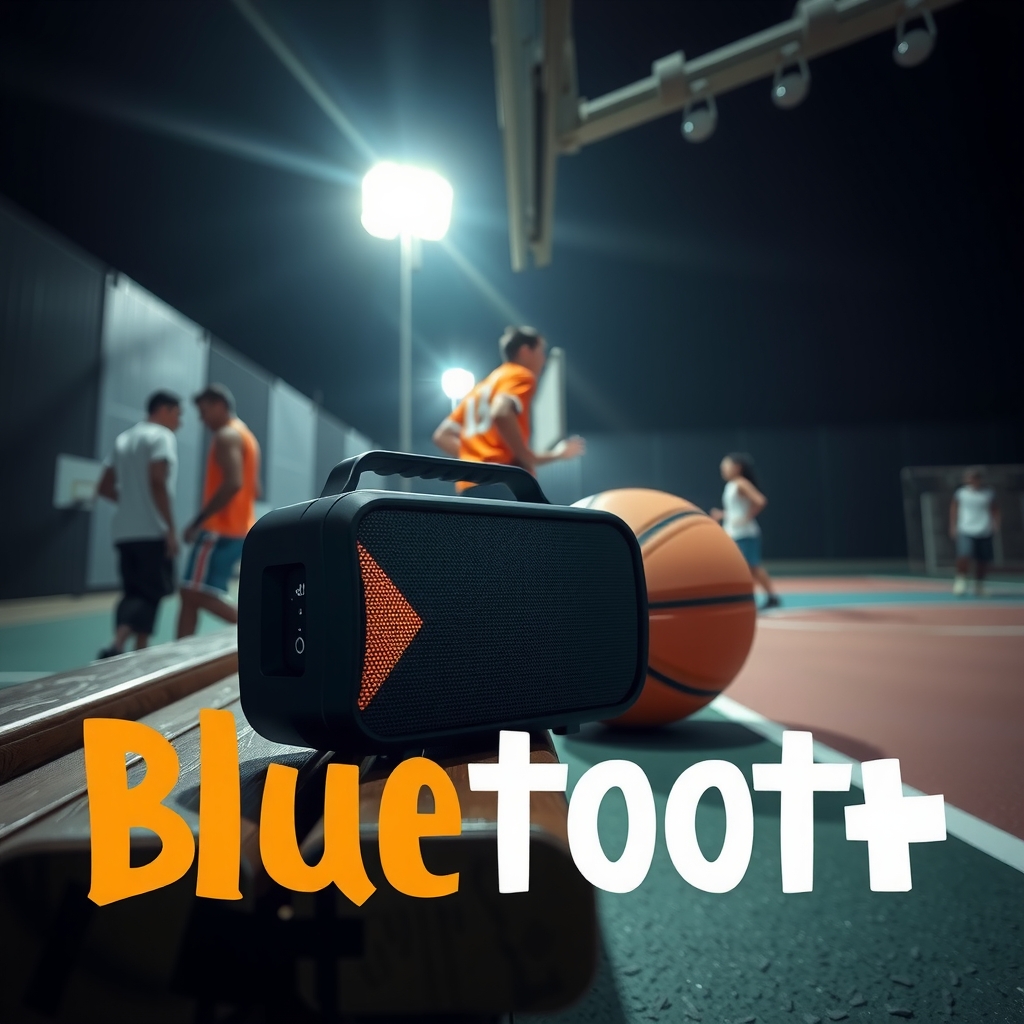
The Sound of the Streets
No blacktop session is complete without the soundtrack. Music isn't background — it's fuel. It sets the tempo of your footwork, the rhythm of your crossover, the energy of the whole session.
Hip-hop and rap have always been the native language of the streets. But grime, afrobeats, drill, and trap have expanded the lexicon. The playlist shifts city by city, block by block.
Hip-Hop & Rap
The original blacktop genre — raw bars and heavy bass for b-ball and freestyle runs.
Grime & Drill
Cold beats for cold moves. Matches the intensity of panna battles and 1-on-1 matchups.
Afrobeats
Rhythm and flow. Perfect for technique-heavy freestyle and skating sessions.
Electronic / Trap
High-energy drops for those full-court runs when you need the adrenaline.
Sacred Concrete
Every legendary spot has a name. Every court has a rep. From Rucker Park in Harlem to the panna cages of Amsterdam, the physical spaces of street sports carry history, pride, and unwritten rules.
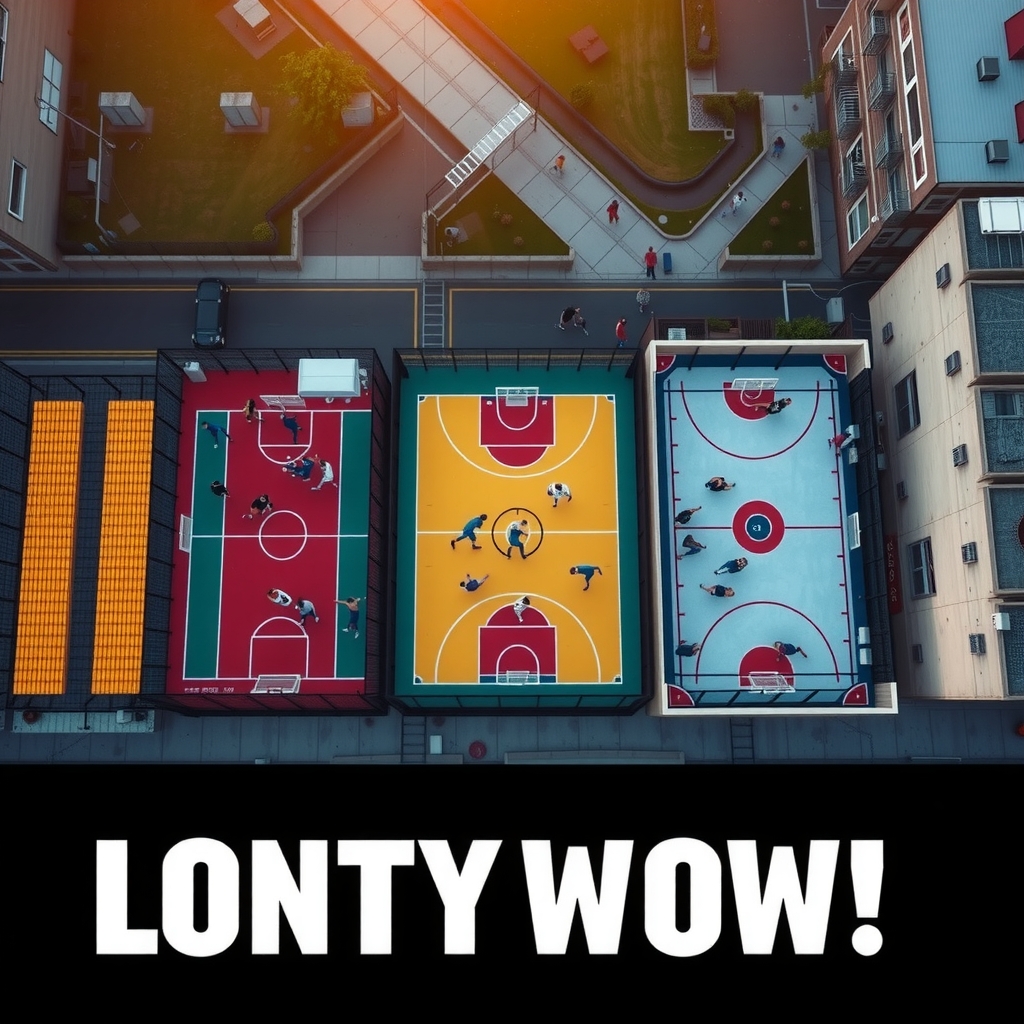
The Blacktop Court
Cracked asphalt, faded paint, bent rims — these marks are trophies, not flaws. They mean this place has been used and loved hard.
The Panna Cage
Caged street soccer creates a different game — tight, technical, nowhere to hide. The cage amplifies every skill gap instantly.
The Rink & Lot
Roller hockey lives in repurposed spaces — unused lots, tennis courts, dead-end streets. Improvised but fierce.
The Park Run
Open park courts host everyone — beginners, legends, and everyone in between. The run is open; bring your game or watch and learn.
What You Actually Need
Skip the marketing noise. Here's the honest breakdown of gear that holds up on real streets for each discipline — no fluff, no unnecessary upgrades.
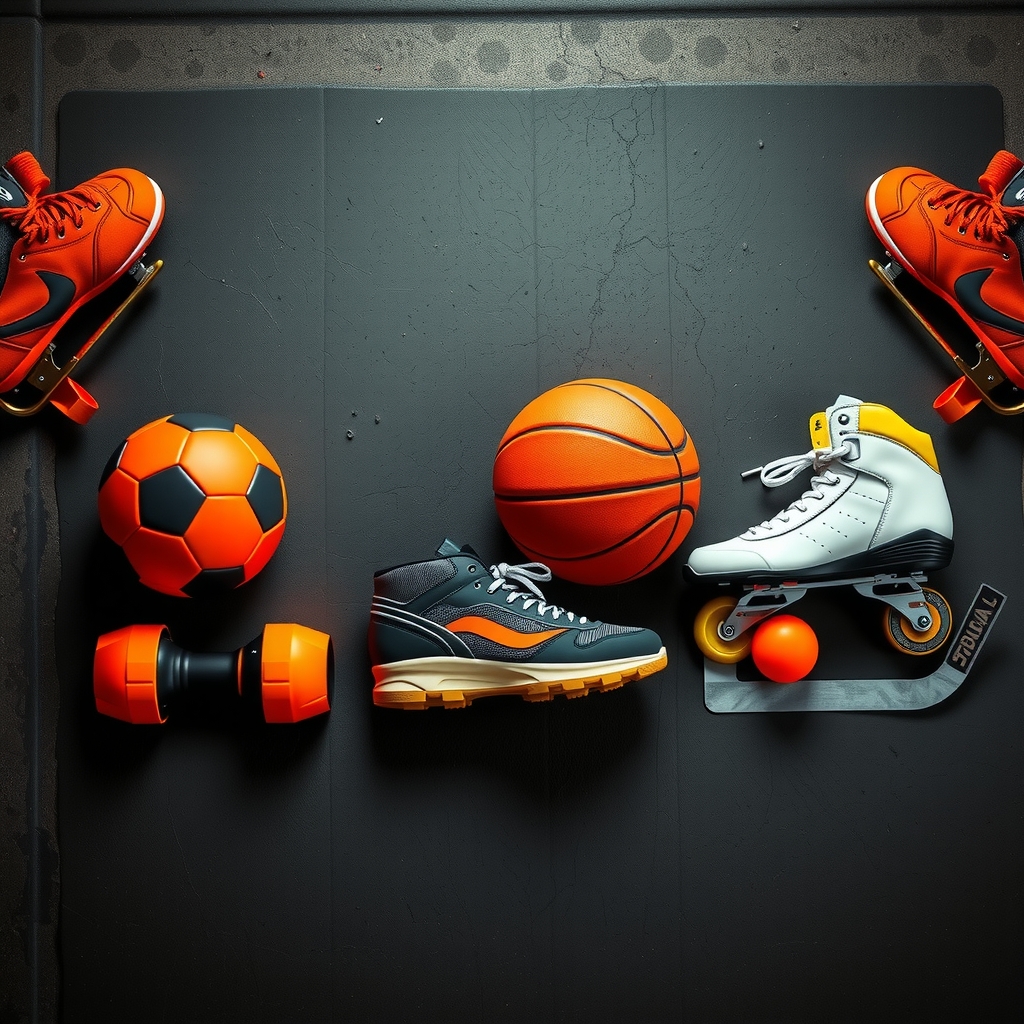
Freestyle & Panna
Street soccer is played anywhere — cages, courts, car parks. The gear needs to handle rough surfaces and constant use without getting in the way of your technique.
Street Football / Futsal
Get a size 4 or 5 street football with reinforced panels built for concrete. Futsal balls (low-bounce) are perfect for panna and cage play.
Street Shoes
Flat-soled trainers or dedicated street soccer shoes. Avoid molded cleats — they'll wreck your touch on hard surfaces and hurt your knees.
Lightweight Shorts & Tee
Moisture-wicking, free-moving. Nothing too baggy for freestyle — you need to see your feet. Nothing too tight for full-court runs.
Knee & Shin Pads (Optional)
Slide tackles on asphalt are brutal. Slim-profile shin pads under socks are worth it if you're playing physical in a cage.
Bag
A drawstring or small backpack for the ball and spares. Keep it light — you might be playing in three spots in one day.
Pickup & Blacktop
The blacktop is unforgiving on gear and on players. What you wear and what you bring signals how serious you are before the first bucket drops.
Outdoor Basketball
A proper outdoor ball with deep channels and durable rubber. Leather balls are for gyms — they'll crack and grip incorrectly on rough concrete.
Basketball Shoes
High-top or mid-top with strong ankle support and a durable rubber sole. Outdoor courts shred soft foam fast — look for solid outsole ratings.
Shorts
Mid-thigh to knee length, loose but not dragging. Classic basketball shorts are classic for a reason — full range of motion, quick dry.
Compression Layer
Compression shorts or tights underneath protect from court burns and help muscles stay warm between runs. Optional but smart.
Wristbands & Grip Tape
Wristbands keep the sweat off your hands. Grip tape on the ball if it's worn smooth. Small things that matter in close games.
Ball & Roller
Street hockey runs on roller skates or sneakers, with a ball or puck. Either way, the gear list is specific — and cutting corners costs you speed, safety, and skill.
Street Hockey Stick
ABS-blade sticks built for asphalt. Wooden sticks work but wear fast. Choose lie and flex based on your skating stance — don't copy someone else's setup.
Orange Street Ball or Puck
Use a no-bounce orange ball for warm weather, a soft puck for smooth lots. The right choice depends on your surface and temperature.
Inline Skates (Roller)
Inline skates with hard wheels for outdoor asphalt (78A-82A hardness). Soft wheels slow you down. Fit matters more than brand.
Helmet & Gloves
Non-negotiable if you're playing contact or near barriers. A hockey helmet and street gloves protect from sticks and falls on hard surfaces.
Shin Guards & Elbow Pads
Light padding goes a long way on asphalt. Roller hockey sets often combine protection with mobility — look for those over ice hockey gear.
Pick Your Sport. Hit the Streets.
Ready to go deeper? Explore each discipline — the history, the skills, the culture, the moves.